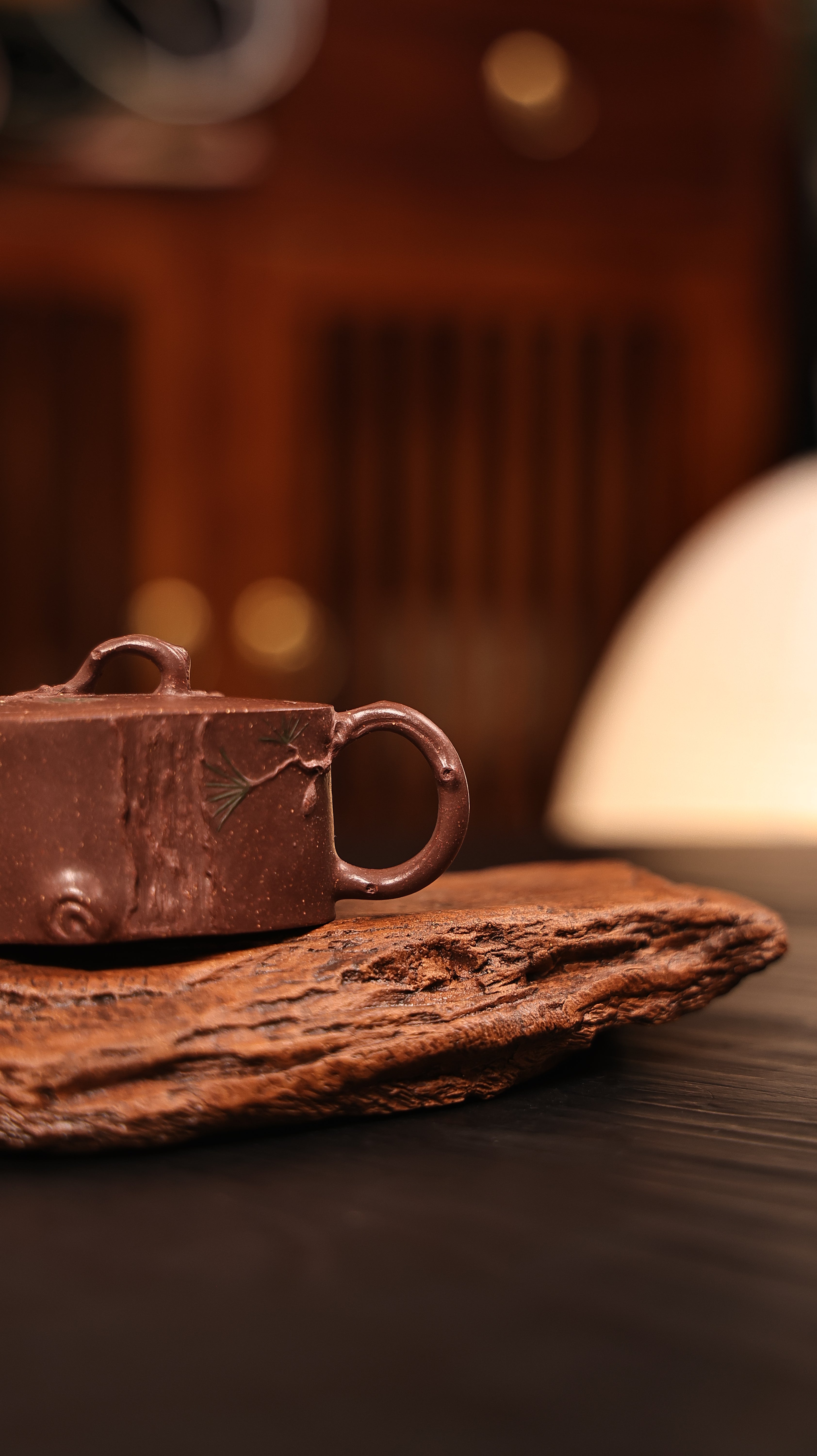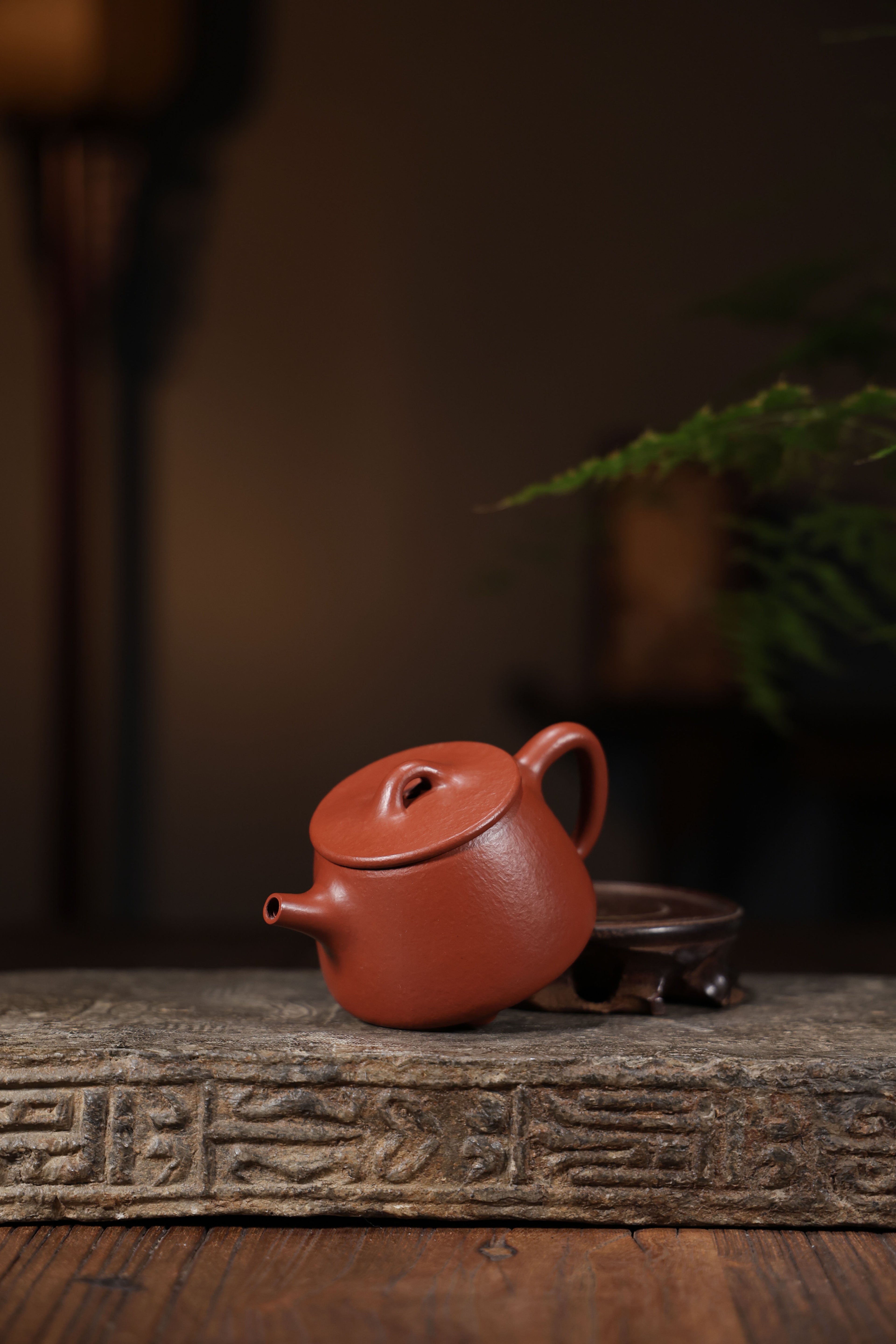
Centuries of connoisseurs have desired the exceptional fascination of Yixing Zisha pitchers. Born in the tranquil town of Yixing, the nation, these pots are crafted from a exotic and harvested purple clay acknowledged for its notable thermal traits and capability to boost the taste of tea. Other than their serviceable asset, Zisha teapots reflect a deep cultural pedigree, resulting them greatly collectible and a genuine wonder for any enthusiastic teapot appreciator.
Understanding Yixing Pitchers
Historical teapots showcase a noteworthy mixture of history and artisan craftsmanship. Founded in Yixing, Jiangsu Zone of China, their narrative stretches the Ming Dynasty, although evidence suggest earlier models. The distinctive purplish clay, called Zisha, found just in the Yixing region, is the crucial component, contributing to the pots' excellent heat keeping and the manner they alter the taste of tea. Dynasties of potters have refined techniques—often relayed through families—including coiling the clay, applying detailed embellishments, and firing the pots at regulated temperatures.- Traditionally, Yixing teapots were often beautified with simple designs.
- Eventually, more ornate carvings and representative motifs became popular.
- The oven firing itself is a pivotal element, requiring decades of proficiency.
Accumulating Zisha Teapots: Key Aspects
Setting out on a pursuit to assemble Zisha earthenware can be fruitful, but it’s essential to recognize what to consider. Authenticity is key; focus on the component’s natural tone, a muted reddish-brown is typical. Examine the grain; genuine Zisha has a exclusive tactile sensation, often portrayed as slightly coarse. The morphology should be aesthetically sound and consistent with antique styles, while labels, if present, require thorough examination for reliability. Don’t postpone to consult with experienced enthusiasts or credible contacts – their perception is immeasurable.
Renowned Clay Pots: Investigating the History of renowned Purple Clay
Epochs have seen Yixing Yixing Clay teapots keep a exceptional role in Chinese tradition. These finely fashioned pots, sourced exclusively from the locale of Yixing, are famous for their recognizable tone, grain, and their ability to develop the bouquet of potions. Legions of collectors seek antique Yixing teapots, prizing them greatly not only for their aesthetic beauty, but also for the story they reflect.
Yixing Zisha Teapots: Exceptional Ultimate Selections and Their Details
Yixing Ceramics teapots, developed in the celebrated province of Yixing, the land, are well-known for their uncommon clay and first-rate brewing features. In the diverse Zisha types, specific categories that are highly prized include Duan Ni. Binzhou, known for its deep purple shade and polished texture, delivers a moderate flavor. Duan Ni species, recognizable by its coppery color and a little grainy feel, is said to enhance tea’s heft. Lastly, Zhuni sort boasts an extraordinary scarlet tone and can lend a nice nuance. Each sort grants a unique experience, making them distinctly desirable within infusion enthusiasts.
Brewing Perfection Specific Earthenware Jar
To access the full potential of your Yixing vessel, understanding the correct modus operandi is critical. These clay vessels, celebrated for their porosity, will successively incorporate the essence of the tea you cook within them. Begin by flushing the teapot thoroughly with tepid water. Then, use only top-grade raw leaf tea, as lower quality options can degrade the vessel’s delicate qualities. Always permit the leaves to expand completely, and remember that with each preparation, your Yixing kettle will become continuously special.
Securing Your Invaluable Zisha Treasure
Proper treatment Chinese Teapot for your Zisha kettle is crucial to maintaining its durability and worth. Zisha clay, acclaimed for its unique tone and structure, requires delicate handling. Never use stringent soaps, as these can spoil the surface. After every application, rinse the jar with mild water and allow it to cool off completely.
- Do not soaking the urn for extended times.
- Sometimes use a soft cloth to buff the exterior.
- Evaluate applying a thin layer of food-grade oil inside the container after drying, which can diminish staining.
Initial Guide to Yixing Clay Pots
Yixing containers, originating from the Yixing province in Jiangsu Province, located in China, are celebrated for their distinctive traits. Fabricated from the unique purple earth known as Zisha, these kettles are prized by potion enthusiasts worldwide. This summary will simply explain the essentials – covering categories of Zisha clay, common shapes, and crucial care notes. Understanding the genesis of Yixing teapots can deepen your appreciation for this valued example of Sinic tradition.
Craft of Yuan Earthenware: Emphasizing Zisha produced in Yixing
Zisha pottery from the Yixing region represents the maximal point of Han kettle design, projecting a uncommon concoction of natural beauty and practical artistry. These remarkable pieces are famed for their vibrant shades, often covering rich purples and chestnut hues to light greys and gentle beiges. The unique mineral composition of the indigenous Zisha terrain imparts a identifying texture and offers a enjoyable aroma that boosts the aggregate extract experience, rendering them significantly admired collectibles and vital components of any serious tea.